
Erase Evictions & Rental History. Rebuild Your Life.
Many people are unaware that evictions and judgments can be legally disputed across national public records, rental history databases, and credit reports. Although evictions are often treated as civil judgments that lead to housing denials, the common belief that you must wait seven years for them to disappear is a myth. While removing a record directly from the courthouse typically requires expungement, landlords primarily rely on national public records systems—made up of more than 150 reporting agencies—when screening applicants. These records can be challenged using federal and state consumer protection laws that apply in all 50 states. When properly disputed and removed from these databases, the results are permanent, eliminating the need to repeatedly pay third parties or resort to illegal methods such as CPNs. This process provides a lawful, long-term solution that improves rental approval outcomes for individuals nationwide.
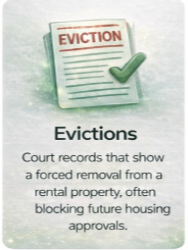
Court records that show a forced removal from a rental property, due to an unpaid balance.
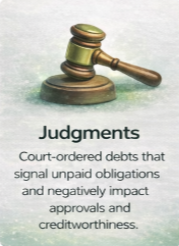
Court-ordered debts that signal unpaid obligations and negatively impact approvals and creditworthiness.
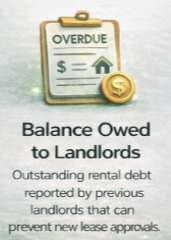
Outstanding rental debt reported by previous landlords that can prevent new lease approvals.
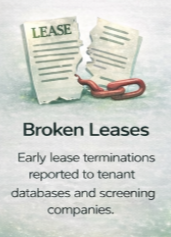
Early lease terminations reported to tenant databases and screening companies.
Payment history showing missed or delayed rent, often flagged by property managers.
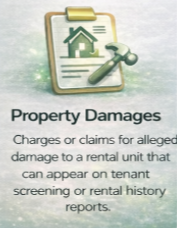
Charges or claims for alleged damage to a rental unit that can appear on tenant screening or rental history reports.
Unpaid debts sent to collection agencies and reported across multiple consumer databases.
Vehicle seizures due to nonpayment that severely impact credit and financial credibility.



Denied rental applications
Higher security deposits
Denied jobs or loan opportunities
Emotional stress & embarrassment
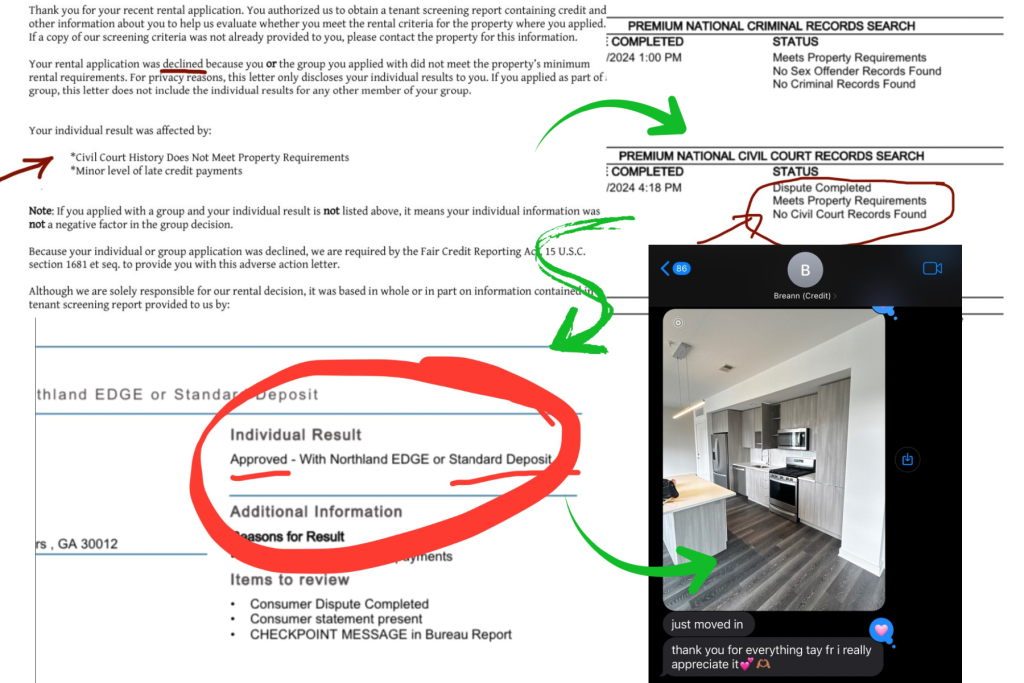
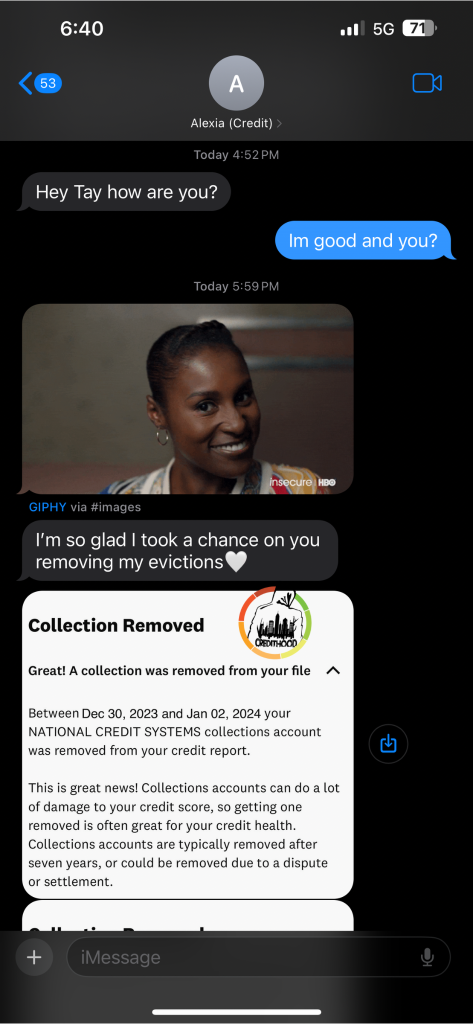

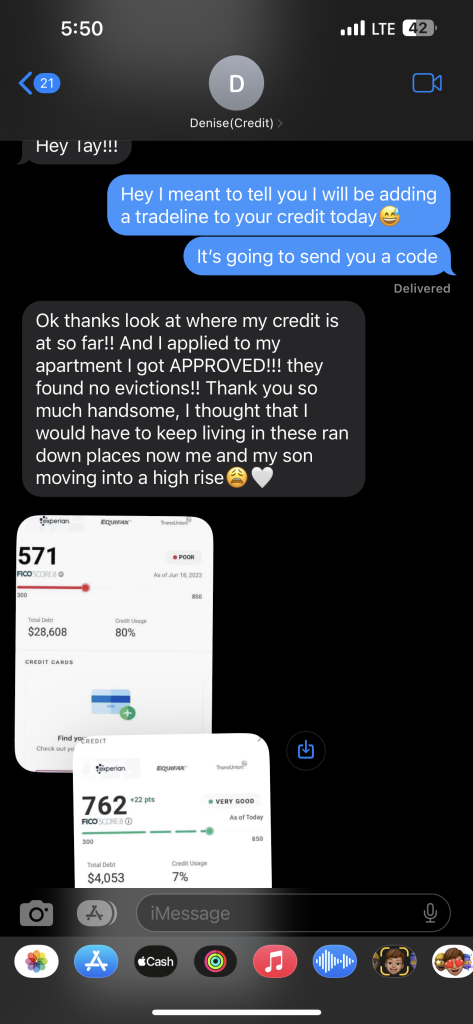
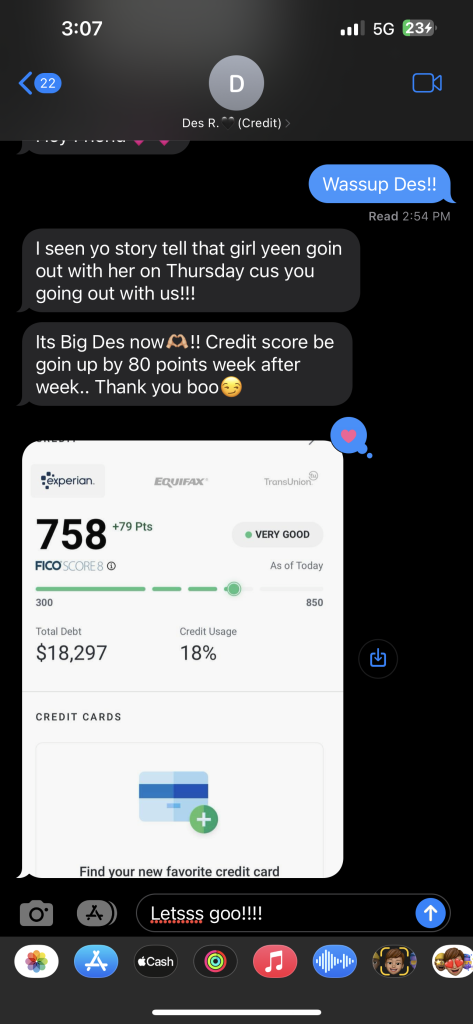
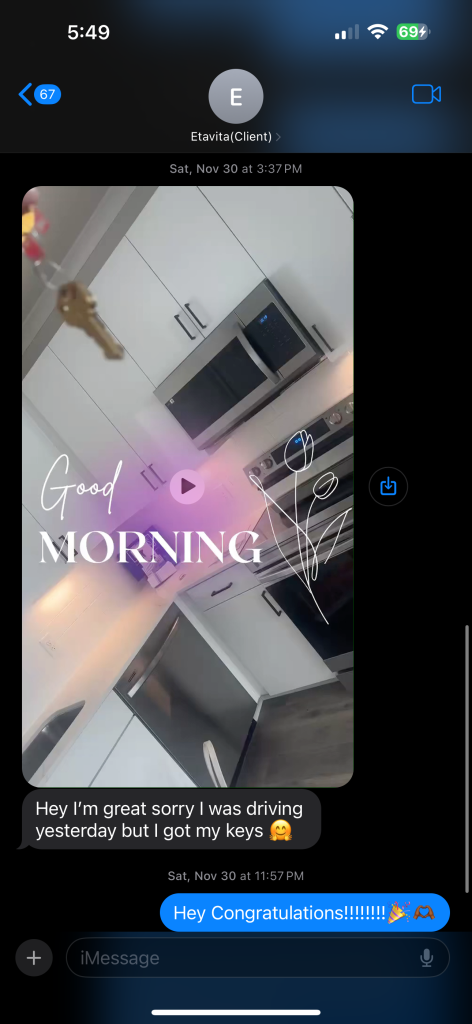
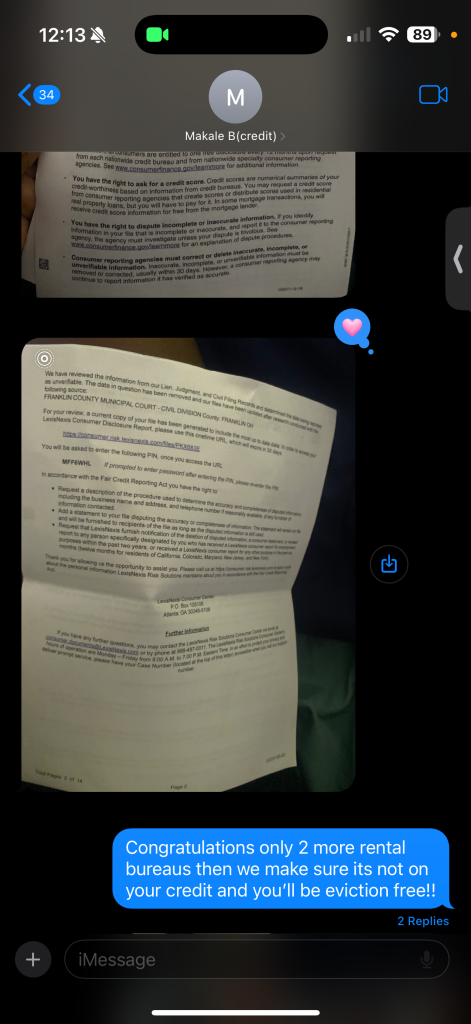
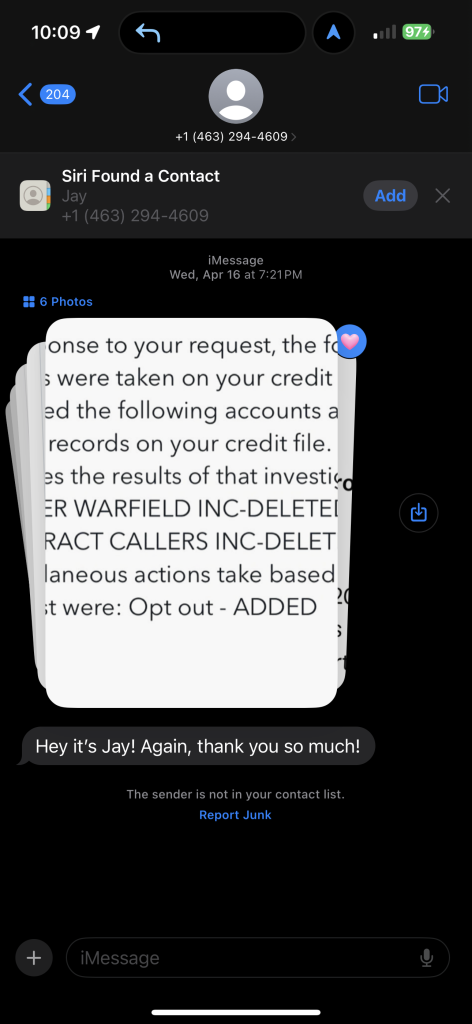
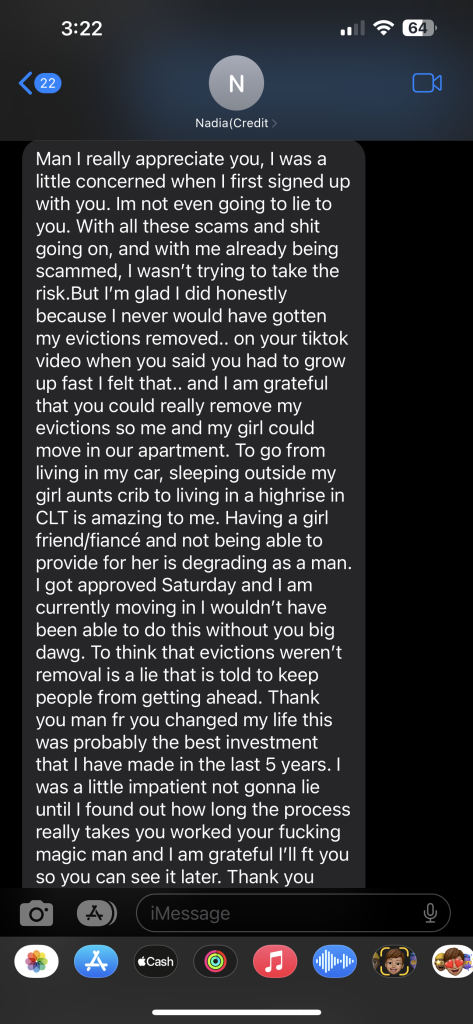

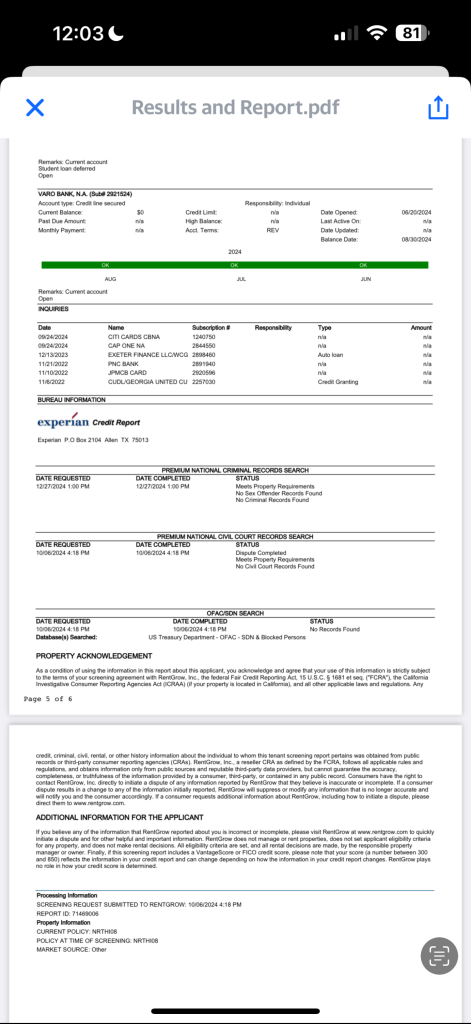
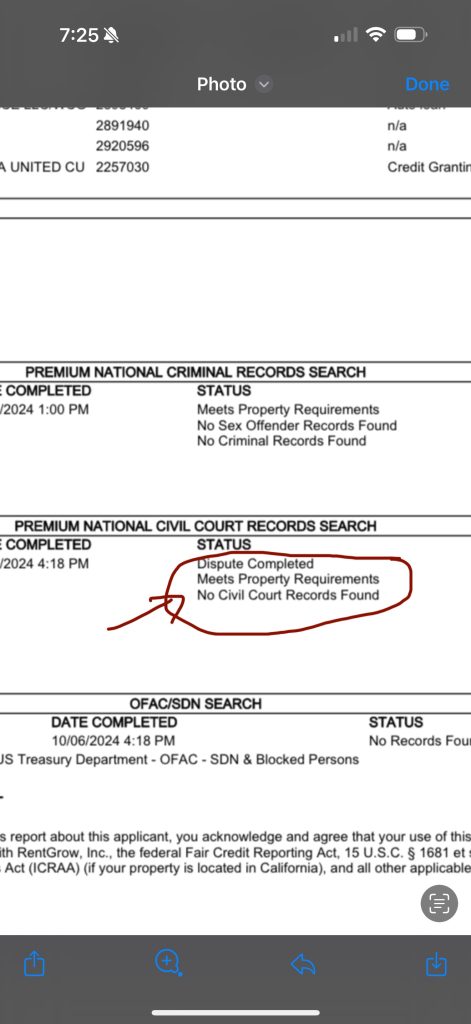
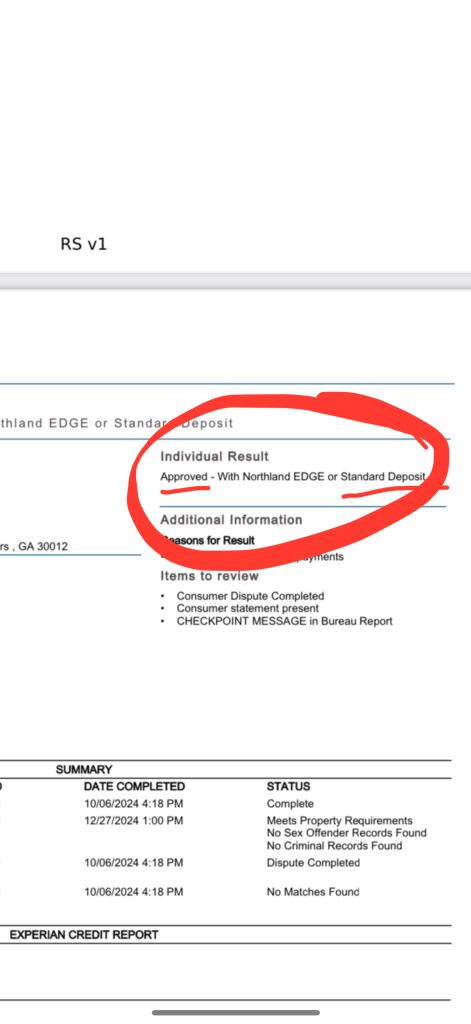
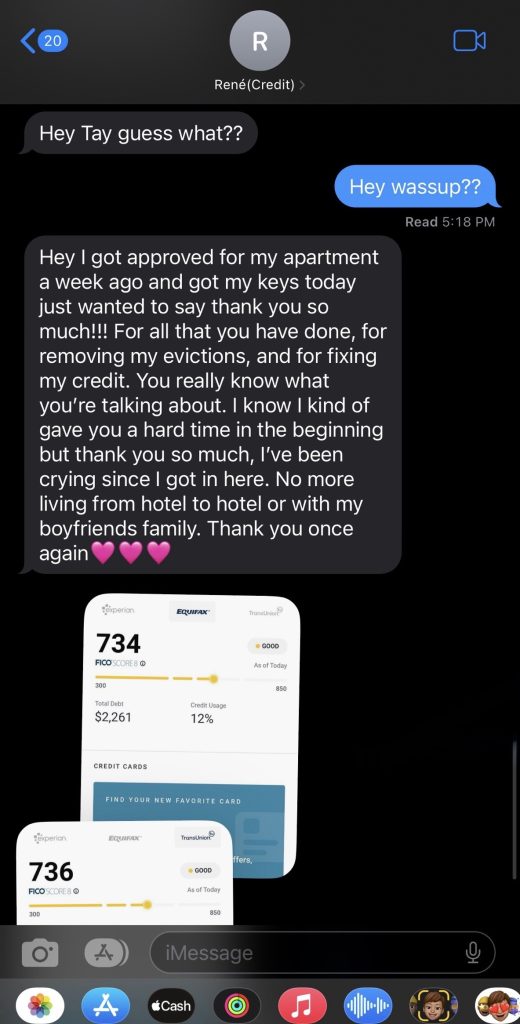
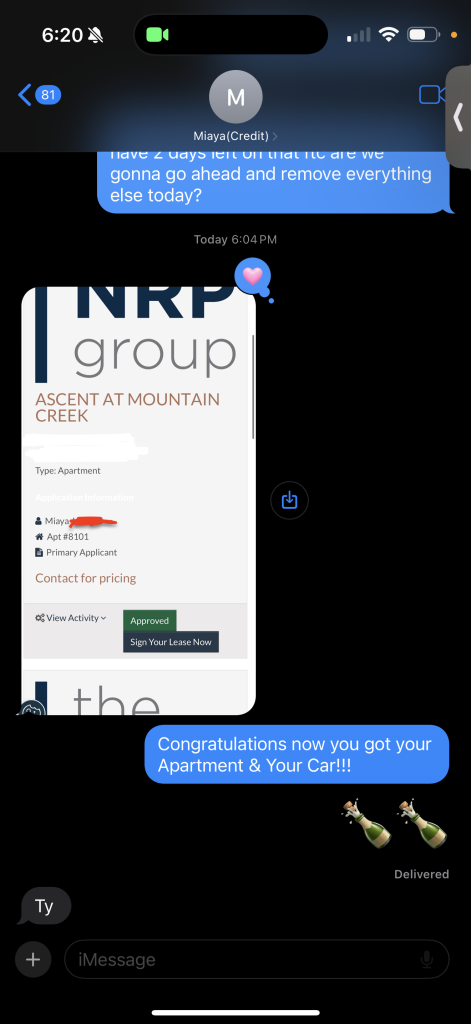
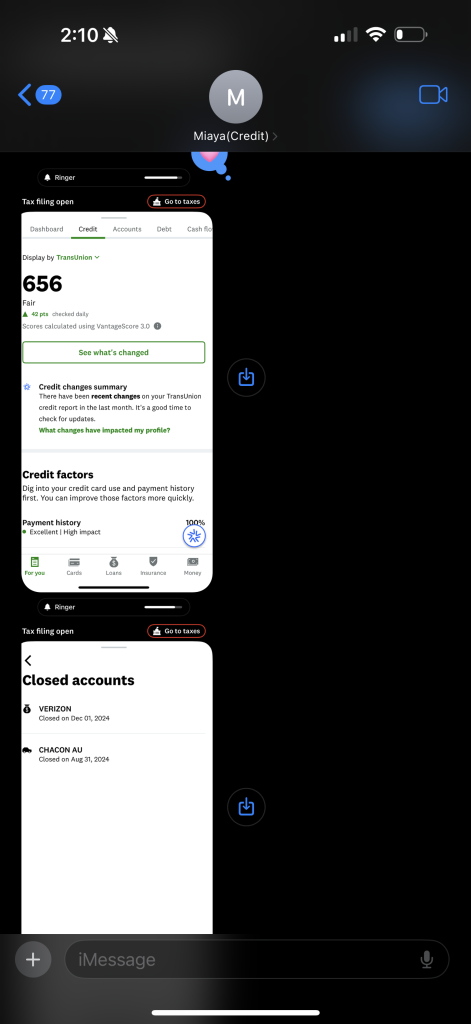
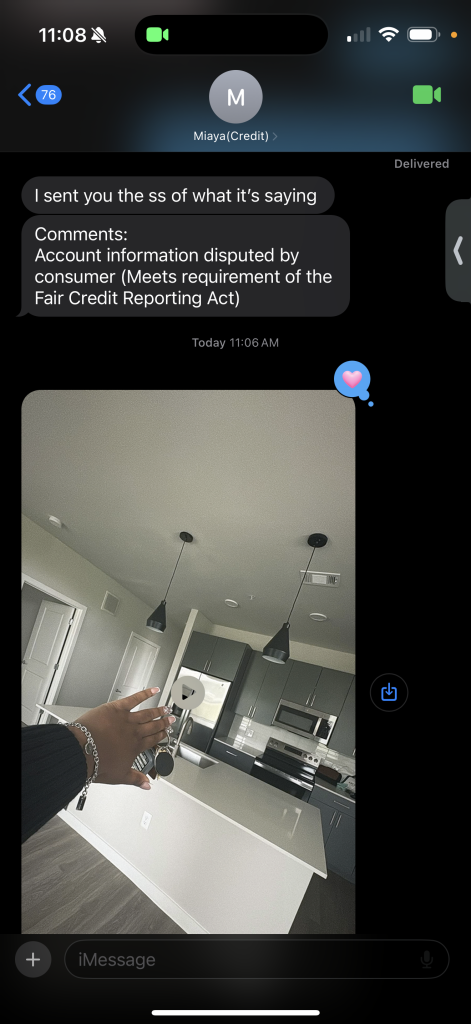

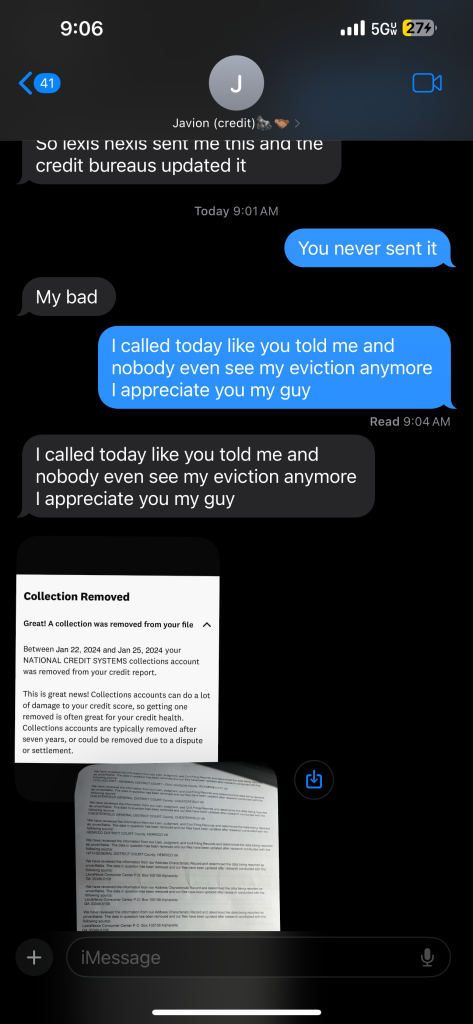
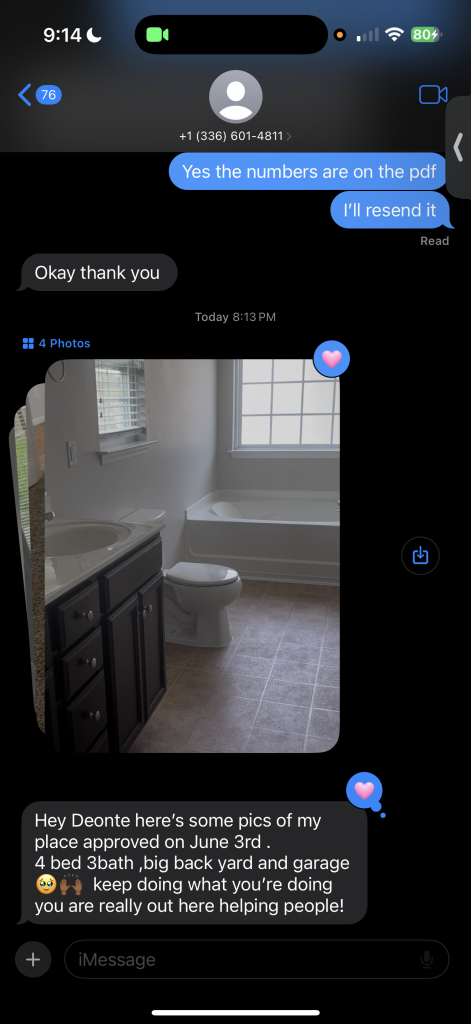




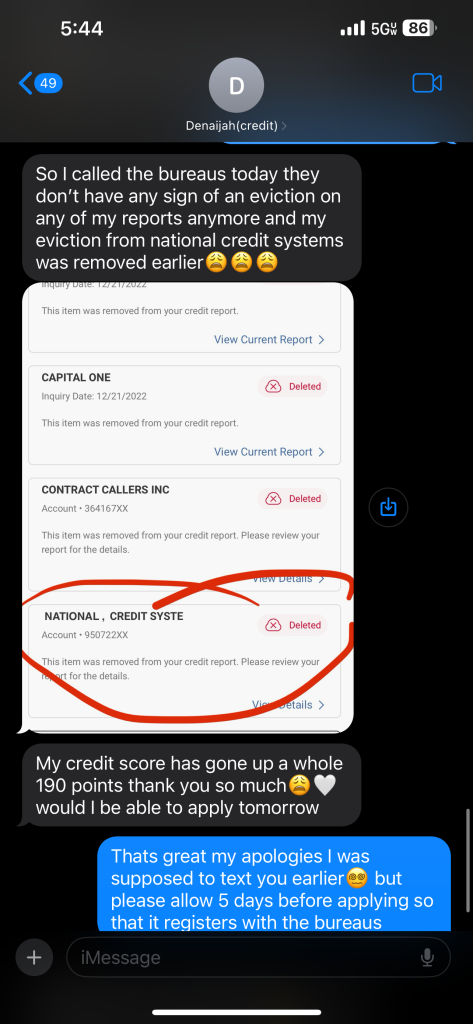
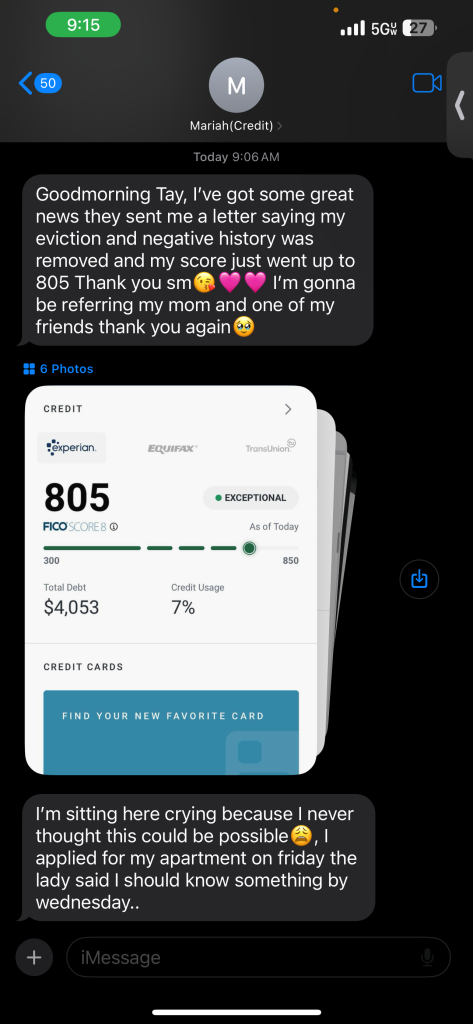
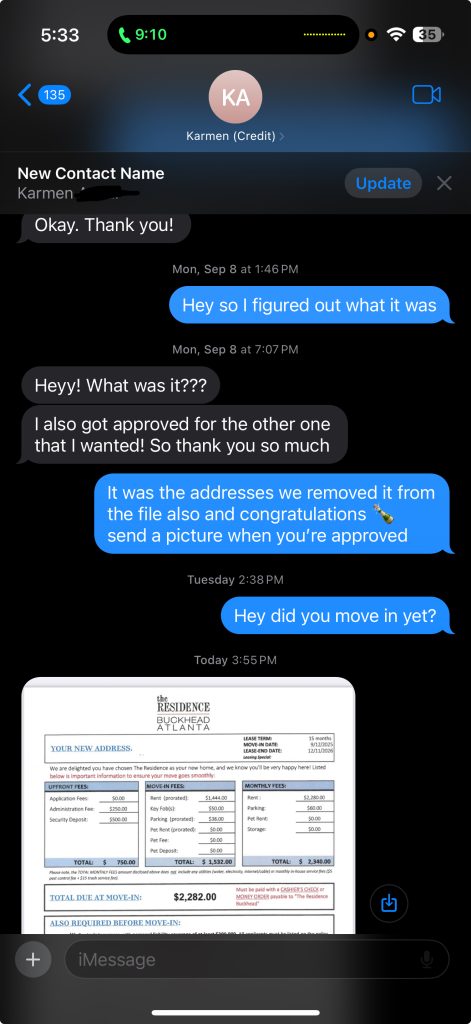
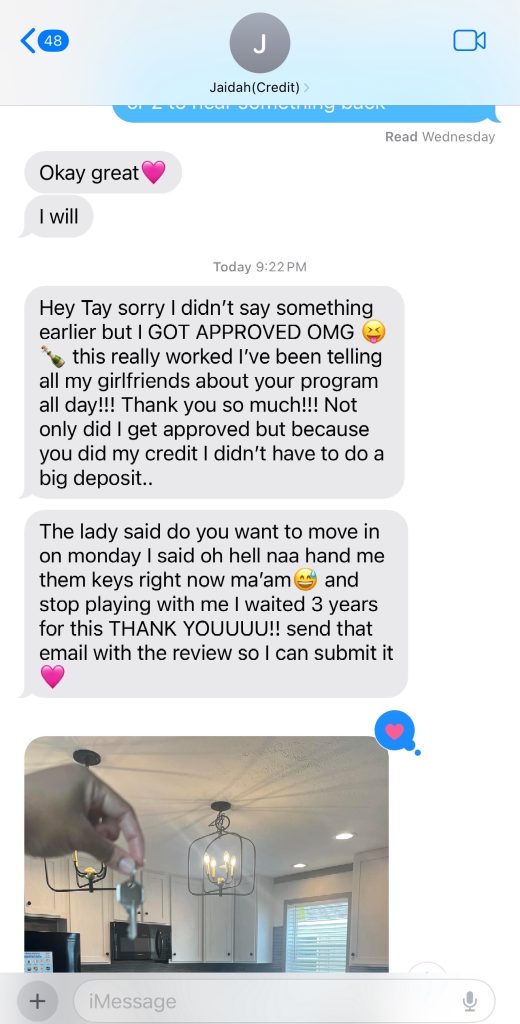
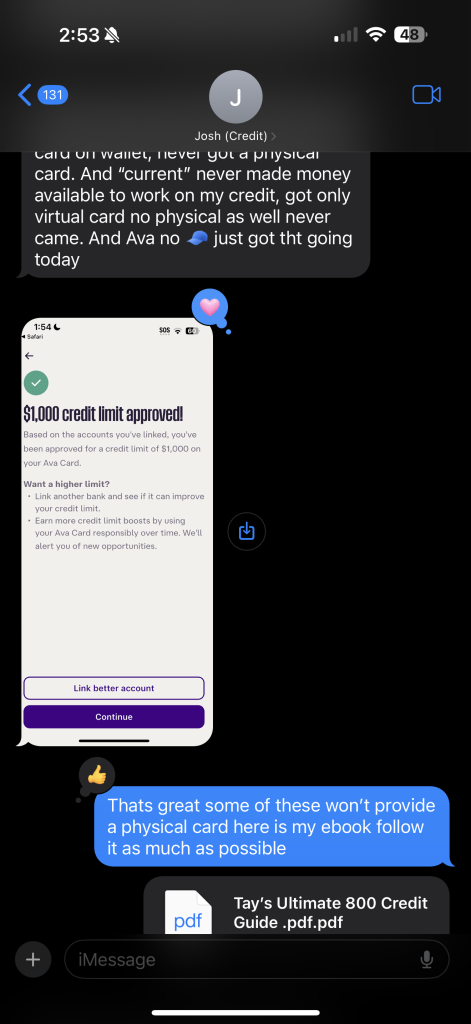
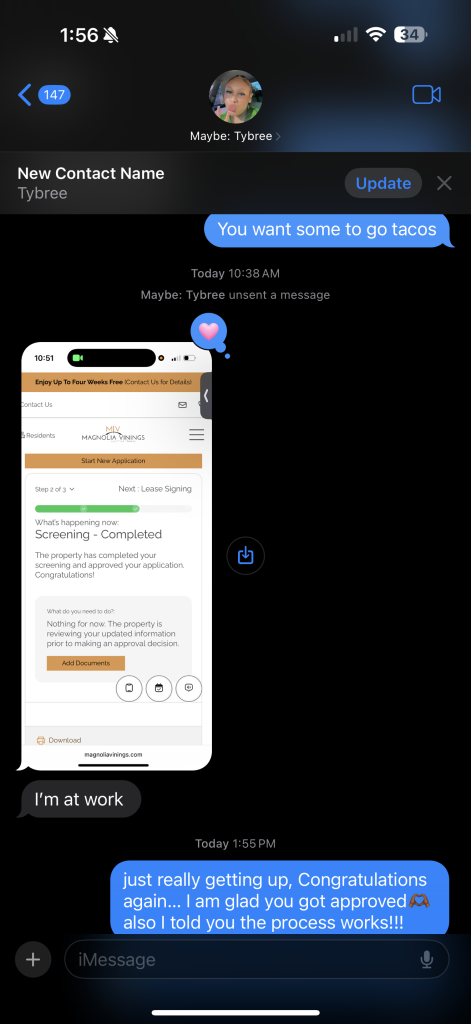
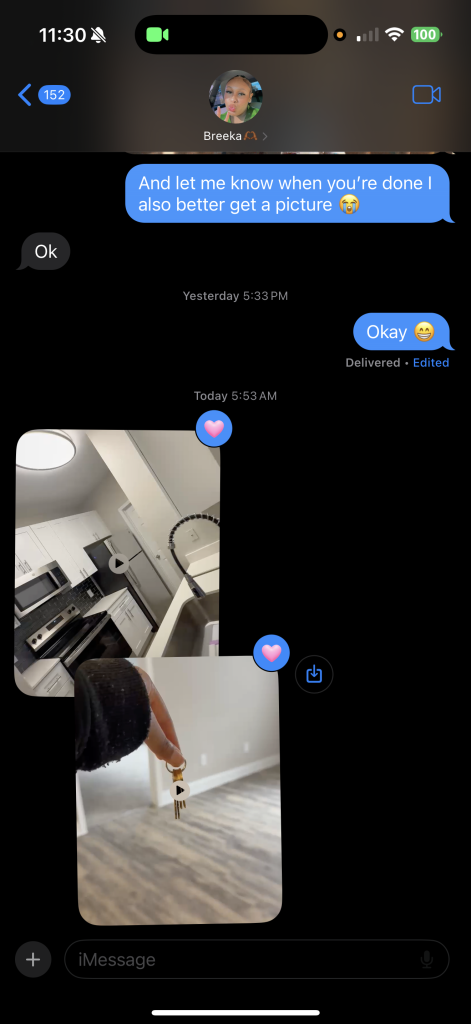
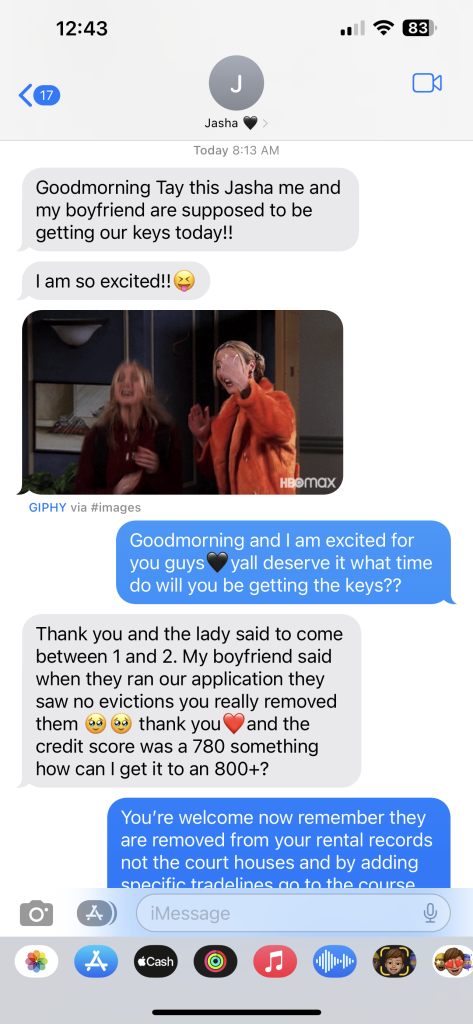
Get approved for rentals, loans, and jobs again. Our eviction removal experts clean your record so you can move forward with confidence. Nationwide No Qualifications Needed!
Need Help? Book A FREE Consultation

Yes, Consumer laws govern all states which gives you the right to dispute any information under your consumer file.
Yes, no matter if you paid it or didn’t pay it you can still dispute it.